

2025 NRBS Annual Conference
Rethinking Paradigms:
Innovative Approaches for Optimal Wellness
Thank you for joining us in the Big Apple — your energy, insights, and presence made this year truly unforgettable.
Essex Street Academy, 350 Grand St. New York City, NY (Entrance on Ludlow Street)
In-Person
Approved for 11.25 APA, NASW and BCIA CEs For full descriptions of CEs, refer to the CE-GO page that will be available when registering for the conference.

Overview
A Transformative Conference Exploring Health and Wellness
The Northeast Region Biofeedback Society, in partnership with the New York Institute for Collaborative Education, presents a groundbreaking three-day conference designed to bridge scientific insight with practical wellness strategies for professionals and families.
Location

350 Grand St. New York City, NY (Entrance from Ludlow St.)
keynote speakers
8:30-10:00 AM ET
Saturday 25th
Oct 2025
Better Food for a Better Life: the Benefits of Nutrition in Caring for Yourself and Others
Thomas Campbell, M.D

1:30-2:45 PM ET
Saturday 25th
Oct 2025
The Body Keeps The Score: Neurofeedback and Trauma
Bessel Van Der Kolk, M.D
Conference Structure: A Unique Three-Day Journey
24
FRIDAY
OCT 2025
Friday Evening: Scientific Foundations
Research and Innovation in Biofeedback
Welcome Address and Lecture
- Cutting-edge scientific insights
- Professional networking
- Focused on practitioners and researchers
- Deep dive into latest biofeedback methodologies
25
SATURDAY
OCT 2025
Saturday: Youth Wellness Intensive
Practical Strategies for Family Wellness
Practical Strategies for Family Wellness A full-day program specifically designed for both parents and practitioners, offering:
- Hands-on demonstrations
- Practical wellness techniques
- Direct strategies for supporting children’s health
- Interactive sessions with expert presenters
- Actionable takeaways for immediate implementation
26
SUNDAY
OCT 2025
Sunday: Advanced Professional Development
Emerging Trends and Clinical Applications
- Specialized scientific presentations
- Advanced clinical techniques
- Research methodology workshops
- In-depth exploration of biofeedback applications
Day 1: Friday 24th
5:00-6:15 pm ET
Friday 24th
Oct 2025
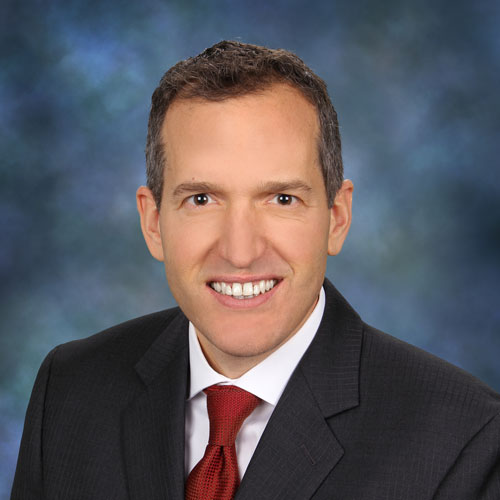
Update on Tips for Clinical Success
Lynda Thompson, Ph.D
What, beyond carefully done neurofeedback and biofeedback, bodes well for good clinical outcomes? This talk will answer that question using the acronym BODES and covering tips and best practices concerning Breathing, On-line games, Diet, Exercise, Sleep and Stress and Socializing. The content will focus mainly on what people can do at home to augment clinical outcomes, so it is applicable to a wide audience. Tips concerning management of symptoms of ADHD will also be emphasized because improving self-regulation of sattention and emotions has been at the core of my ADD Centre’s success for over 30 years. There will also be tips for clinicians concerning how to do a comprehensive assessment and then develop a personalized intervention that combines modalities; for example, adding biofeedback (especially heart rate variability training) to neurofeedback and also adding newer modalities like photobiomodulation.
- State the two conditions required for the production of sensorimotor rhythm (12 – 15 Hz activity), first established during experiments in which cats learned to increase the production of these brainwaves, which have the same morphology as sleep spindles.
- Identify two outcomes of successful neurofeedback training for Attention-Deficit/Hyperactivity Disorder (ADHD) that make it superior to treatment using stimulant medications.
- State what the acronym PBM stands for and list three conditions that can be helped using light therapy.
Dr. Lynda Thompson, a clinical psychologist and co-author of “The A.D.D. Book,” has spent over 25 years helping families transform the lives of teenagers struggling with ADHD, learning challenges, and emotional difficulties. As Executive Director of The ADD Centre in Toronto, she has pioneered safe, non-medication approaches using neurofeedback and biofeedback that help teens improve focus, reduce anxiety, and reach their full potential. Dr. Thompson will share proven strategies that parents can use to support their high school students, whether they’re dealing with attention issues, stress, or simply want to optimize their child’s brain function for better academic and social success.
Dr. Lynda Thompson is a distinguished clinical psychologist and internationally recognized pioneer in neurofeedback and biofeedback, with over 25 years of specialized experience in treating ADHD, autism spectrum disorders, and neurological conditions. Co-author of “The Neurofeedback Book” and recipient of both the Lifetime Achievement Award from the Biofeedback Federation of Europe and the Distinguished Scientist Award from AAPB, she brings unparalleled expertise in applied psychophysiology. Dr. Thompson will present cutting-edge research and clinical applications in neuromodulation, offering evidence-based approaches for treating adolescents with attention disorders, post-concussion syndrome, and other neurological challenges.
Day 2: Saturday 25th

8:30-10:00 AM ET
Saturday 25th
Oct 2025
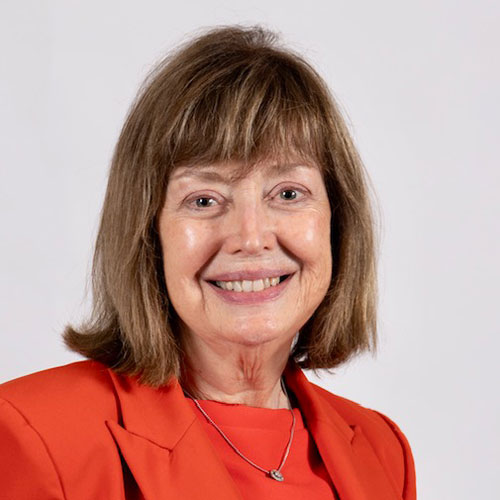
Better Food for a Better Life: the Benefits of Nutrition in Caring for Yourself and Others
Thomas Campbell, M.D
Dr. Campbell will discuss a framework regarding how to think about food and nutrition choices in order to make sense out of the conflicting mess of dietary suggestions presented in traditional media and social media. In particular, he will discuss the benefits of choosing the right food for long-term health and will discuss the results of his own research showing significant, rapid metabolic benefits of dietary interventions among adults with type 2 diabetes and significant benefits among women with metastatic breast cancer. He will connect these findings to brain health and function as well. Covering practical ideas (cost of food, for example), he will advocate for investing the time and energy to get food right now in order to minimize the chances of being required to sacrifice ever more time, energy, and money in doctors’ offices later.
- Describe a framework of approaching diet three different ways.
- Identify metabolic benefits of plant-based diets.
- Describe benefits among women with breast cancer of adopting a whole food, plant-based diet.
- Provide two examples of how plant-based nutrition benefits brain health
Dr. Thomas Campbell, co-author of the New York Times bestseller “The China Study,” has spent years discovering how the right foods can prevent and even reverse serious diseases like diabetes, heart disease, and cancer. As a family doctor and nutrition researcher at the University of Rochester, he’s seen firsthand how simple dietary changes can transform health—knowledge that’s especially important for teenagers who are forming eating habits that will last a lifetime. Dr. Campbell will share practical, science-backed strategies that any parent can use to help their high school student boost energy, improve focus, and build a strong foundation for lifelong health. His proven approach gives families real tools to protect their teens from the chronic diseases that are affecting more young people than ever before. OR
Thomas M. Campbell II, MD is a board-certified family medicine physician certified in obesity medicine. He is assistant professor at the University of Rochester and co-director of the UR Medicine Nutrition in Medicine Research Center. He has authored influential books on plant-based nutrition and is currently involved in clinical trials on the effects of diet on chronic disease.
10:30-11:30 AM ET
Saturday 25th
Oct 2025
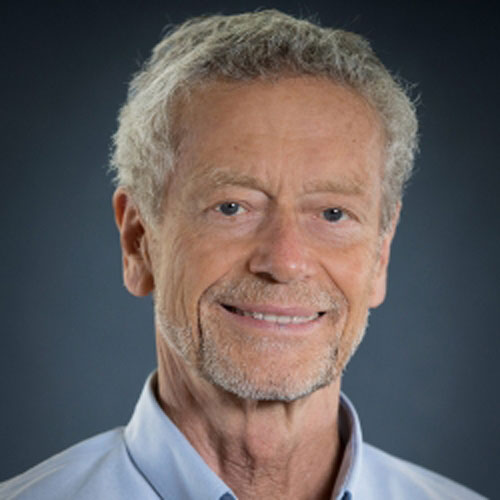
Optimizing health and learning in digital stress world
Erik Peper, Ph.D., BCB
Today’s teens spend more than seven hours a day on digital devices, a lifestyle that reshapes posture, breathing, mood, and social interaction. Excessive screen use has been linked to rising rates of anxiety, depression, attention problems, and declining academic performance. Technology overuse also affects the body: looking down at phones narrows peripheral awareness, increases shallow breathing, and evokes feelings of fatigue and helplessness. This presentation, explores how educators, parents can move “beyond screens” by developing practical, body–mind skills that support focus, energy, and resilience. Participants will learn how posture and breathing are central to emotional regulation and academic success. For example, slouching while using a phone or laptop not only increases neck and back strain but also contributes to anxiety and poor concentration. By contrast, upright posture and diaphragmatic breathing restore confidence, alertness, and memory performance. The session will provide evidence-based strategies to counter “tech stress,” including digital breaks, ergonomic adjustments, posture feedback tools, and guided breathing practices that calm the nervous system and improve attention. Simple, experiential exercises will demonstrate how small shifts—such as lifting the head, expanding the breath, or turning off notifications—can markedly reduce stress and enhance learning.
- Describe the impact of excessive screen use on teen health, including effects on posture, breathing, attention, and emotional wellbeing.
- Demonstrate how posture and breathing patterns influence access to negative thoughts, stress regulation, confidence, and academic performance.
- Apply practical strategies such as digital breaks, micro-movements, and ergonomic adjustments to reduce tech stress.
Dr. Thomas Campbell, co-author of the New York Times bestseller “The China Study,” has spent years discovering how the right foods can prevent and even reverse serious diseases like diabetes, heart disease, and cancer. As a family doctor and nutrition researcher at the University of Rochester, he’s seen firsthand how simple dietary changes can transform health—knowledge that’s especially important for teenagers who are forming eating habits that will last a lifetime. Dr. Campbell will share practical, science-backed strategies that any parent can use to help their high school student boost energy, improve focus, and build a strong foundation for lifelong health. His proven approach gives families real tools to protect their teens from the chronic diseases that are affecting more young people than ever before. OR
Thomas M. Campbell II, MD is a board-certified family medicine physician certified in obesity medicine. He is assistant professor at the University of Rochester and co-director of the UR Medicine Nutrition in Medicine Research Center. He has authored influential books on plant-based nutrition and is currently involved in clinical trials on the effects of diet on chronic disease.

1:30-2:45 PM ET
Saturday 25th
Oct 2025
Rewiring The Brain: How Neurofeedback Can Help Developmental Trauma
Bessel Van Der Kolk, M.D
Dr. van der Kolk views neurofeedback as a complementary therapy to traditional talk therapy, recognizing its potential to engage the body in the healing process. He highlights the importance of addressing both the mind and the body, with neurofeedback specifically targeting the brain’s regulation.
1. Examine & explain how traumatized people process information
2. Explain how trauma affects the developing mind and brain
3. Describe how adverse childhood experiences effect brain development, emotion regulation & cognition
Author of The Body Keeps the Score which spent 171 weeks on The NYT best seller list, Dr. van der Kolk is one of the most influential voices in mental health today. Dr. van der Kolk teaches how understanding the brain-body connection can transform our approach to youth mental health. His integrative lens—rooted in neuroscience, clinical practice, and community healing—helps families and educators reimagine support for struggling children and teens
Dr. van der Kolk, has spent his career studying how children and adults adapt to traumatic experiences. He has translated emerging findings from neuroscience and attachment research into the development and study of various treatments for traumatic stress. In 1984, he established one of the first clinical and research centers in the U.S. dedicated to the study and treatment of trauma in civilian populations—training a generation of clinicians and researchers in the field. His pioneering work includes the first studies on SSRIs for PTSD, early neuroimaging research into how trauma affects the brain, and foundational research linking borderline personality disorder and self-injury to early childhood trauma and neglect. His work emphasizes how trauma affects people differently depending on their stage of development and highlights the compounding impact of disrupted caregiving. To address these challenges, he initiated the creation of the National Child Traumatic Stress Network (NCTSN), a federally funded initiative that now supports around 150 centers implementing trauma-informed interventions across the U.S. Dr. van der Kolk has focused on treatment methods that stabilize the body’s physiology, enhance executive functioning, and help individuals stay grounded in the present. His research has included NIMH-funded studies on EMDR, NCCAM-funded studies on yoga, and recent investigations into neurofeedback as a way to rewire attention and perception through EEG modulation. His efforts led to the founding of the Trauma Center (now the Trauma Research Foundation), a hub for clinical treatment, research, and professional training. This center has offered specialized care for those with histories of child maltreatment, studied innovative treatments like neurofeedback and MDMA, and delivered training nationwide to mental health professionals, educators, parents, policymakers, and law enforcement.
Dr. van der Kolk, has spent his career studying how children and adults adapt to traumatic experiences. He has translated emerging findings from neuroscience and attachment research into the development and study of various treatments for traumatic stress. In 1984, he established one of the first clinical and research centers in the U.S. dedicated to the study and treatment of trauma in civilian populations—training a generation of clinicians and researchers in the field. His pioneering work includes the first studies on SSRIs for PTSD, early neuroimaging research into how trauma affects the brain, and foundational research linking borderline personality disorder and self-injury to early childhood trauma and neglect. His work emphasizes how trauma affects people differently depending on their stage of development and highlights the compounding impact of disrupted caregiving. To address these challenges, he initiated the creation of the National Child Traumatic Stress Network (NCTSN), a federally funded initiative that now supports around 150 centers implementing trauma-informed interventions across the U.S. Dr. van der Kolk has focused on treatment methods that stabilize the body’s physiology, enhance executive functioning, and help individuals stay grounded in the present. His research has included NIMH-funded studies on EMDR, NCCAM-funded studies on yoga, and recent investigations into neurofeedback as a way to rewire attention and perception through EEG modulation. His efforts led to the founding of the Trauma Center (now the Trauma Research Foundation), a hub for clinical treatment, research, and professional training. This center has offered specialized care for those with histories of child maltreatment, studied innovative treatments like neurofeedback and MDMA, and delivered training nationwide to mental health professionals, educators, parents, policymakers, and law enforcement.
12:15-1:30 PM ET
Saturday 25th
Oct 2025
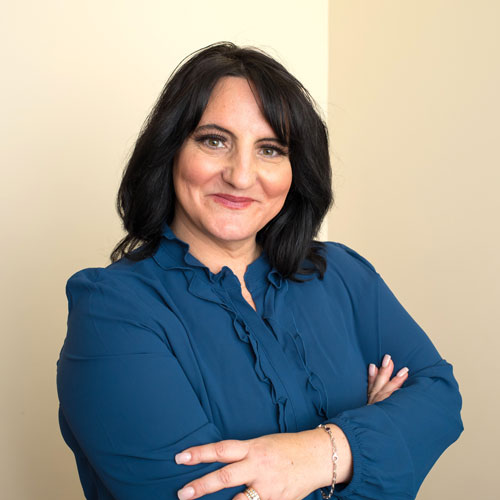
The Hidden Epidemic: Emotional Dysregulation in Today’s Youth
Dr. Roseann Capanna-Hodge, Ed.D., LPC, BCN, LLC
Emotional dysregulation is at the core of many clinical, academic, and behavioral challenges in children and teens—from anxiety and ADHD to mood disorders, school refusal, and explosive outbursts. Yet despite its widespread impact, dysregulation is often misunderstood, misdiagnosed, or overlooked entirely in clinical and educational settings. In this session, Dr. Roseann Capanna-Hodge—licensed therapist, certified school psychologist, and expert in brain-based mental health—will explore the neurological and physiological roots of emotional dysregulation. Drawing on current research and decades of clinical experience, she’ll offer a framework that shifts the conversation from “bad behavior” to brain-based support strategies rooted in nervous system regulation. Through relatable case examples and practical tools, participants will learn how to identify signs of dysregulation, distinguish it from other mental health conditions, and implement regulation-first strategies that support lasting emotional, behavioral, and cognitive change.
1. Define emotional dysregulation and describe its neurological and behavioral
manifestations in children and adolescents.
2. Identify common root causes of dysregulation, including neuroinflammation,
compounded stressors, sensory processing issues, and autonomic nervous system
imbalance.
3. Explain the role of the nervous system in self-regulation and the limitations of
behavioral-only interventions.
4. Apply at least three brain-based strategies to support emotional regulation in clinical or
home settings.
Dr. Roseanne Cappana-Hodge understands exactly what it’s like to worry about your child’s mental health—because she’s been there herself as a mom of two neurodivergent boys. For over 30 years, she’s helped thousands of families move from daily struggles to genuine relief through her Brain Behavior Reset Program. As founder of the Global Institute of Children’s Mental Health and host of the popular podcast “It’s Going to Be OK with Dr. Roseanne,” she’s on a mission to make mental health support actually accessible to real families. You might have seen her expert advice in The New York Times, Washington Post, or Parents Magazine, where she cuts through the complexity to offer hope and practical solutions. What makes Dr. Roseanne different? She believes we’re making mental health way too complicated. With over 10,000 brain maps under her belt and three books that parents actually want to read, she’s proven that families can find lasting calm when they have the right tools. Whether your teen is struggling with anxiety, behavior challenges, or just the overwhelming pressures of high school, Dr. Roseanne shows parents how to support their children’s brains—and their whole family’s wellbeing—in ways that actually work. Her message is simple: you have more power than you think to help your child thrive, and it doesn’t have to be as hard as everyone makes it seem.
Dr. Roseann Capanna-Hodge is a children’s integrative mental health pioneer and founder of the Global Institute of Children’s Mental Health. She developed several neuroscience-based tools for supporting children’s behavior and regulation. Doctor Roseanne is an integrated children’s mental health expert and founder of the global institute of children’s mental health. She is a Connecticut certified school psychologist, board certified neurofeedback provider, and the podcast host of it’s going to be OK with doctor. The parenting resource for children’s behavior and mental health. For over 30 years she has helped thousands of children and families overcome the most challenging behavioral and mental health conditions through her brain behavior reset program. She has done over 10,000 EEG brain maps and is named by Forbes as the thought leader in children’s mental health. As a trusted media personality, doctor Roseanne has given expert opinions in hundreds of major publications such as the New York Times, the Washington Post, parents magazine, national television, and podcast. She has also authored 3 books that focus on improving children’s mental health: it’s going to be OK!, brain under attack, and the teletherapy toolkit, the first book ever written on teletherapy activities for children and teens. Doctor Roseanne is a national speaker on topics related to calming the brain and achieving mental Wellness at home, schools, organizations, and businesses. She believes we are making mental health way too hard and that every individual has the power to vote cultivate mental about being when they have the right brain based tools. As a mom of two neurodivergent boys she understands what it’s like to see her children struggle. Doctor Roseanne takes great joy in empowering parents and helping families applied to calm, experience lasting relief, and lead happy lives
3:15-4:30pm ET
Saturday 25th
Oct 2025
The Developing Brain and Early Screen Addiction: Uncovering the HIdden Neurobiology of Autism and ADHD
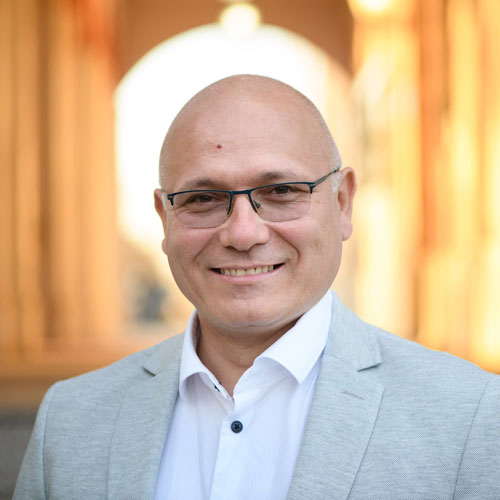
Stoyan Vezenkov, Ph.D in Neuroscience
This presentation explores the hidden neurobiological impact of early screen addiction on the developing brain and its overlap with autism spectrum disorder (ASD) and attention-
deficit/hyperactivity disorder (ADHD). Drawing from recent clinical research published in Nootism (2025), we investigate how intensive screen exposure during early childhood-especially before age six—can induce a distinct neurophysiological profile thatclosely resembles or amplifies core symptoms of ASD and ADHD. We describe screen-induced dysfunction, including a pathological eye-covering reflex, pathological vestibular reflex, cue-dependent behavior, slowing down the cortical patterns, sleep disturbances and loss of inhibitory and impulse control, loss of neural coherence, and
the reinforcement of compulsive, repetitive behaviors, automatisms, and programs for power and control. These markers suggest that screen addiction is not merely behavioral—it produces measurable changes in brain function and organization. Case studies will illustrate full and partial recovery in children initially diagnosed with ASD or ADHD, following screen elimination and targeted therapy. Key stages of recovery include digital detox, sensory reintegration, attachment repair, and restoration of sleep and self-regulation and executive function—highlighting the plasticity of the developing brain. The presentation also addresses critical psychosocial risk factors, including paternal
gaming/gambling addiction, Munchausen syndrome by proxy, and high dropout rates from therapy among overwhelmed families. These elements often obscure proper diagnosis and
disrupt intervention outcomes. Finally, we propose urgent policy recommendations for screen use in early childhood education, clinical guidelines for differential diagnosis, and prevention strategies in family systems. Early screen exposure is a modifiable but under-recognized neurodevelopmental risk factor. With early recognition and therapeutic support, recovery from screen-induced developmental trauma is increasingly possible—and essential.
1. Identify at least three distinct stages of neurodevelopmental recovery in children with
early screen addiction, including sensorimotor restart, cortical awakening, and attachment
restoration.
2. Describe at least five neurobiological dysfunctions associated with early screen
addiction, such as pathological reflexes, cortical slowing, loss of neural coherence, and
compulsive behavior patterns.
3. Differentiate between innate neurodevelopmental disorders (e.g., ASD, ADHD) and
screen-induced phenotypes based on observable markers and recovery potential.
4. Explain how screen exposure disrupts the development of self-regulation, attachment,
and executive function, drawing on recent research and documented case studies.
5. Summarize the parallel parental intervention track in the recovery process, including the
use of biofeedback, neurofeedback, trauma therapy, and stress resilience training.
Dr. Stoyan Vezenkov brings cutting-edge neuroscience research directly to families navigating today’s digital challenges. As founder of the Center for Applied Neuroscience and co-founder of Screen Children, he has dedicated his career to understanding how technology affects developing brains and has developed proven biofeedback programs to help children overcome screen addiction, ADHD, anxiety, and sleep disorders. With a PhD in neuropharmacology from Germany, over two decades of university teaching experience, and multiple published books on brain science, Dr. Vezenkov offers parents evidence-based strategies and hope for raising healthier, more balanced children in our screen-saturated world.
Stoyan Vezenkov, Ph.D. in Neuroscience, is team lead at the Center for Applied Neuroscience and founder of NOOTISM. He focuses on screen addiction and integrates EEG, biofeedback, and therapy into youth programs.
Day 3: Sunday 25th
8:30-9:45 am et
Sunday 26th
Oct 2025
How Exercise, Nature, and the Brain Harmonize: Understanding The Neuroscience About Why Exercise and Nature Positively Effect Brain Function
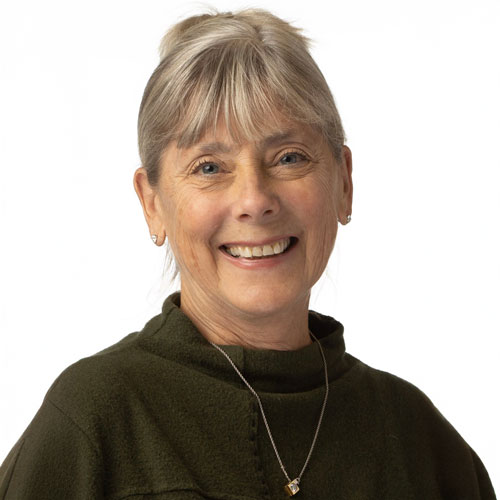
Cynthia R. Kerson, PhD, QEEGD, BCN, BCB, BCB-HRV
Current daily activities include less exercise and presence in natural environments than previously. We spend much more time in front of computers and devices indoors than we should. This talk breaks down why the importance of incorporating movement, especially in a natural setting is crucial for optimal health from a neuroscience and psychophysiological perspective.
1. The participant will be able to describe how being in nature can augment optimal health from a psychophysiological and neurological perspective
2. The participant will be able to list 3 environmental means of enhancing the internal structure of workplaces to help improve brain health.
3. The participant will be able to describe the processes in the brain that are activated when best health practices are informed, including the neurotropic BDNF.
Dr. Cynthia Kerson, a leading brain training expert and professor at Saybrook University, has dedicated her career to proving what every parent suspects—that physical activity is one of the most powerful tools for boosting teen brain power. As a researcher currently conducting a major NIMH-funded study on brain health, she has insight to understanding attention that is unparalleled. She will discuss how exercise can dramatically improve focus, reduce anxiety and depression, and enhance academic performance in high school students. Dr. Kerson will share practical, science-backed strategies that parents can use immediately to help their teens harness the brain-boosting benefits of movement, whether they’re dealing with ADHD, stress, or simply want to optimize their child’s mental performance. Her research-proven approach offers families simple yet powerful ways to help their teenagers think clearer, feel better, and succeed academically through the right kind of physical activity.
Coming soon.
9:45-11:15 AM ET
Sunday 26th
Oct 2025
It’s All In Your Head: A Biopsychosocial Approach to Chronic Pain
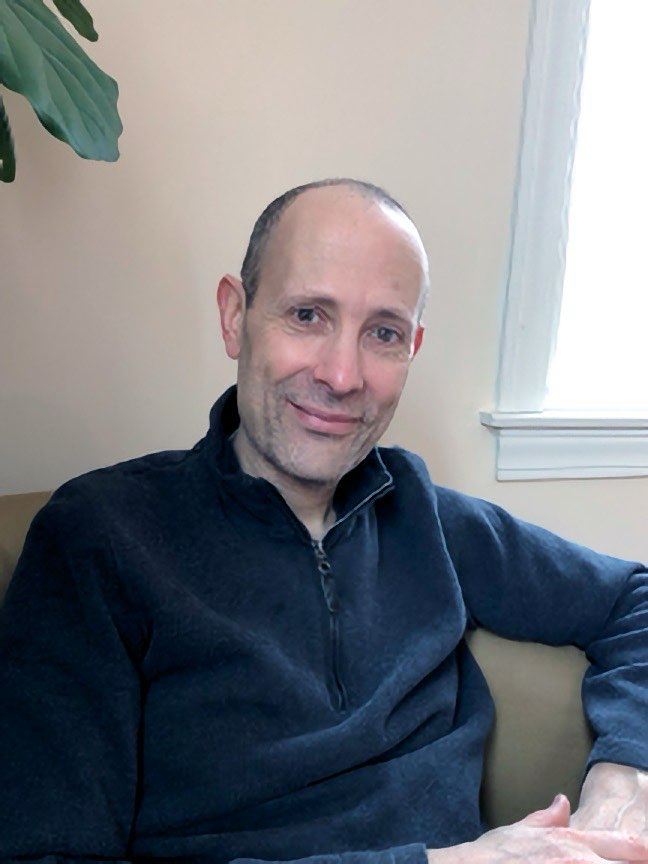
Saul Rosenthal, Ph.D.
Chronic pain is one of the most prevalent and challenging health conditions to treat, affecting individuals physically, emotionally, and socially. Because it can develop in virtually any part of the body and persist beyond expected healing times, an effective approach requires understanding the interplay of biological, psychological, and social factors.
This presentation introduces a functional model of chronic pain designed to support client education and guide comprehensive treatment planning. Participants will explore evidence-based behavioral and psychophysiological interventions, including biofeedback and self-regulation techniques, that can reduce the intensity and impact of pain while improving overall quality of life.
- Describe the biopsychosocial framework for understanding chronic pain.
- Implement appropriate psychophysiologic interventions for chronic pain.
- Utilize up-to-date biofeedback techniques for improving chronic pain management
- Identify key behavioral and psychophysiological strategies shown to reduce chronic pain symptoms
Saul Rosenthal, PhD is a developmental and clinical psychologist in the Boston area, specializing in complex and chronic health conditions. His expertise lies in integrative care, primarily drawing from cognitive behavioral therapy, mindfulness, and applied psychophysiology. He has worked in a variety of academic, medical, and community health settings, working with patients and training interns, postdocs, and medical residents. Dr. Rosenthal has taught a broad range of health and CBT-related courses and workshops, particularly related to chronic pain, stress, and anxiety disorders.
He remains involved in scholarly endeavors, serving as an editor and contributor for the Fourth Edition of Evidence-Based Practice in Biofeedback and Neurofeedback, authoring the chapters on chronic pain and chemobrain. Dr. Rosenthal currently serves as President Elect for the Association for Applied Psychophysiology and Biofeedback. He also serves on the Board of Directors for the Northeast Region Biofeedback Society, and is the host of the NRBS podcast, Healthy Brain Happy Body.
11:45-1:00 PM ET
Sunday 26th
Oct 2025
Learning from the Biographical Timeline: Deepening our capacity to engage with children and adults whom we find challenging to support effectively
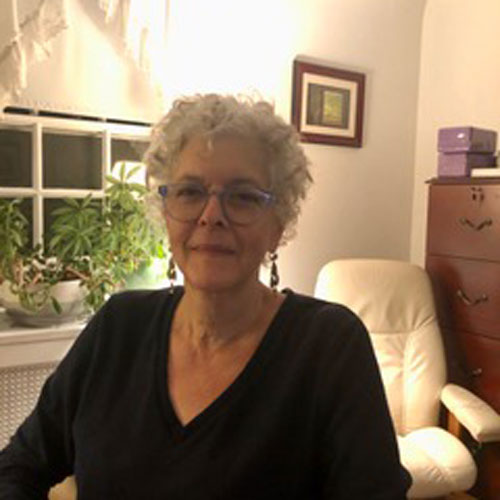
BETH I. BAROL, Ph.D., L.S.W., B.C.B., NADD-CC
Categorizing people by their behaviors often leads us down the wrong path. We frequently end up focusing on controlling behaviors while losing sight of our connection to the individual, thereby missing the root causes of those behaviors. In this presentation, we will examine the complex causes of challenging behaviors through case studies and a biographical timeline, providing an example of the process and its results…
- Identify underlying causes of challenging behaviors.
- Know when to use a Biographical Timeline.
- Apply social therapy in daily life.
- Recognize effective methods such as EMDR and biofeedback.
Dr. Beth Barol brings nearly five decades of expertise in helping teenagers and young adults with learning differences, ADHD, autism, and other neurological conditions navigate the challenges of adolescence and transition to adulthood. As a former university professor and clinical director, she specializes in understanding how past trauma affects teenage behavior and has developed positive, practical strategies that work specifically for neurodivergent teens who may struggle with anxiety, depression, or challenging behaviors. Recognized nationally for her clinical excellence, Dr. Barol offers parents of high school students proven approaches and real hope for supporting their teens through these critical years while preparing them for successful independence and bright futures.
Dr. Barol has 49 years of experience serving people with intellectual and developmental differences and trauma. She specializes in Biographical Timelines and person-centered care, with a strong focus on training and advocacy.
NRBS SUPPORTING SPONSORS
Learn more about our supporting sponsors and ways they can help your personal & professional development.









Become a sponsor
REACH NEW AUDIENCE
SPONSORSHIP OPORTUNITY
Get noticed by professional clinicians, parents, and educators from NYC schools.