
51st Annual International Conference
The Future is Feedback:
Innovation, Integration, and the Next Era
of Bio/Neurofeedback
11 CEs – (3 ETHICS CEs Included)
AzPA-Sponsored APA CEs available for Live and Enduring Sessions
BCIA-Approved for 11 re-certification CEs
NYS CEs available for Live Sessions Only*
A virtual gathering for professionals dedicated to advancing self-regulation and improving lives through bio/neurofeedback.
September 26th & 27th, 2026 (Eastern Time)
DO NOT MISS OUR 2026 SILENT AUCTION – More items coming soon Click here for the complete auction list.
Description
11 CEs* anticipated (3 ETHICS CEs Included). BCIA and APA approval being applied for. CE for Psychologists Sponsored by AzPA. NYS CE Credit Available for Live Attendees Only — See the CE Section Below for Eligibility and Details.
A virtual gathering for clinicians, educators, researchers, and practitioners dedicated to advancing self-regulation and improving lives through biofeedback and neurofeedback.
The field of bio/neurofeedback is evolving quickly. New technologies, emerging research, and growing demand for integrative approaches are reshaping how professionals understand assessment, self-regulation, treatment planning, and care.
The 2026 NRBS Annual Conference invites clinicians, educators, researchers, and practitioners to explore what is next — and how innovation can be integrated responsibly, ethically, and effectively into real-world practice.
This year’s theme, The Future is Feedback: Innovation, Integration, and the Next Era of Bio/Neurofeedback, highlights the growing intersection of neuroscience, technology, clinical care, education, ethics, and whole-person health. Sessions will explore timely topics including artificial intelligence, QEEG-guided neurofeedback, school-based neurofeedback, brain-based mental healthcare, ethical decision-making in experienced practice, HRV biofeedback, compassion, clinician burnout prevention, nature contact, resilience, and health.
Designed for both experienced practitioners and those expanding their understanding of bio/neurofeedback, this two-day virtual conference offers practical, research-informed, and future-facing presentations that support thoughtful integration into clinical, educational, and community-based settings.
Attendees will gain new perspectives on assessment, intervention, professional scope, access, cultural responsiveness, and the future direction of the field.Attendees will gain new perspectives on assessment, intervention, professional scope, access, cultural responsiveness, and the future direction of the field.
The 2026 NRBS Annual Conference is designed for professionals who want to understand the next era of bio/neurofeedback and apply new ideas responsibly in real-world settings.
Participants will have the opportunity to:
• Explore current and emerging directions in biofeedback, neurofeedback, QEEG, HRV, and applied psychophysiology
• Learn how innovation is shaping assessment, treatment planning, and clinical decision-making
• Examine practical strategies for integrating neurofeedback into schools and mental health settings
• Strengthen ethical decision-making around scope, clinical claims, informed consent, referrals, and responsible practice
• Consider how compassion, self-compassion, HRV biofeedback, and nature contact can support resilience and wellbeing
• Reflect on equity, access, diversity, and culturally responsive care across clinical and educational populations
• Connect with a professional community dedicated to advancing self-regulation and improving lives
Featured Topics
• AI, QEEG, and the future of neurofeedback assessment
• Brain Oscillatory Tensegrity and individualized neurofeedback protocols
• Integrating neurofeedback into school-based mental health services
• Building brain-based models of care in mental health practice
• Ethical judgment, clinical claims, scope, and referral decisions in experienced neurofeedback practice
• Compassion, self-compassion, HRV biofeedback, anxiety, and clinician burnout prevention
• Nature contact, stress reduction, resilience, and whole-person health
• Expanding access and equity in bio/neurofeedback practice
CONTINUING EDUCATION
A CE certificate must be purchased separately for an additional fee ($50)
This conference has been approved for 11 continuing education (CE) credits, including 3 ethics credits. No partial CE credit will be awarded; participants must complete all requirements to receive the full 11 CE credits, including 3 ethics credits.
Continuing Education for Psychologists
The Arizona Psychological Association (AzPA) is approved by the American Psychological Association to sponsor continuing education for psychologists. AzPA maintains responsibility for this program and its content. If you attend all sessions live, you must complete the program evaluations. If you attend any session asynchronously, you must complete the test requirements and the program evaluations.
Continuing Education for New York State Licensees
NYS continuing education credit is available only to eligible New York State licensees who attend the conference live.
- Q’Lective Therapy has approved this conference for 11 CE credits, including 3 ethics credits.
- Q’Lective Therapy is recognized by the New York State Education Department’s State Board for Mental Health Practitioners as an approved provider of continuing education for licensed mental health counselors (#MHC-0300), licensed creative arts therapists (#CAT-0114), licensed marriage and family therapists (#MFT-0124), and licensed psychoanalysts (#P-0071).
- Q’Lective Therapy is recognized by the New York State Education Department’s State Board for Social Work as an approved provider of continuing education for licensed social workers (#SW-0793).
- Q’Lective Therapy is recognized by the New York State Education Department’s State Board for Psychology as an approved provider of continuing education for licensed psychologists (#PSY-0262).
Completion Requirements
The conference will be recorded. Registered participants may complete the CE requirements—including viewing the required recordings, completing the quiz, and satisfying any additional requirements—within one year of the conference date.
Participants are responsible for confirming that these CE credits are accepted by their applicable licensing board.
Speakers

Michael Cohen, QEEG-D
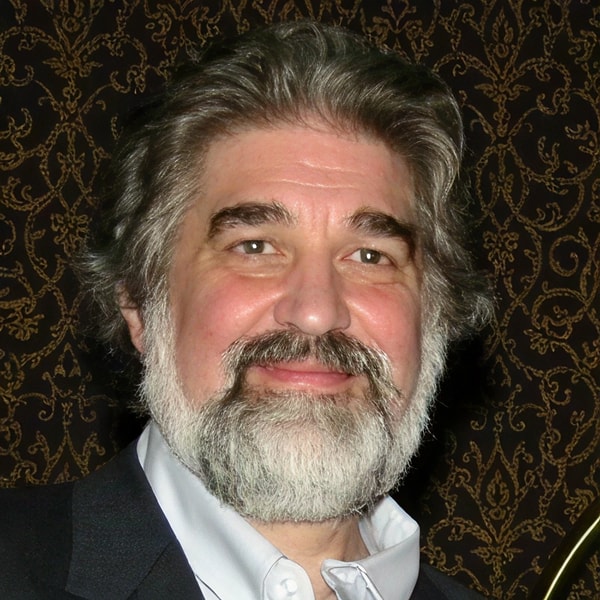
Thomas F. Collura, Ph.D., MSMHC, QEEG-D, BCN, LPCC-S
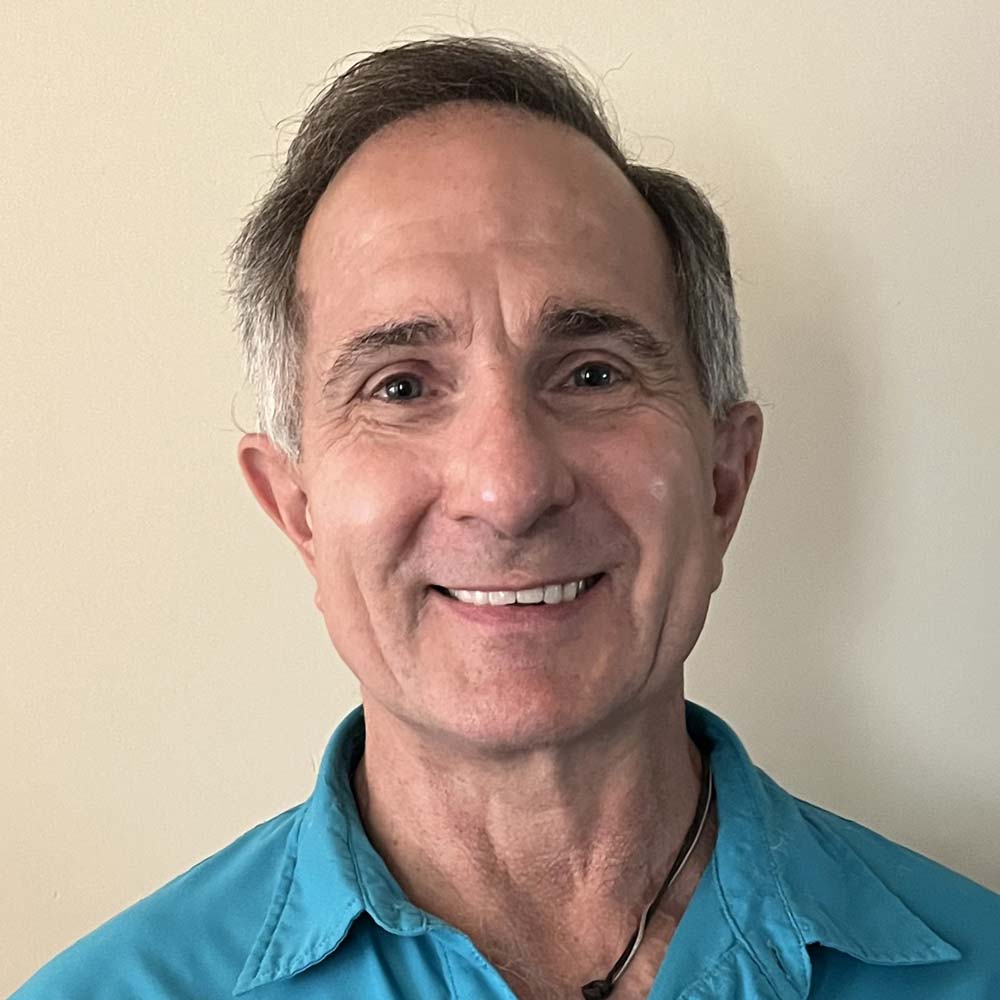
Harry Brubaker, M.Ed., M.Psych., BCN, QEEG-D

Megan Delaney, LCSW, RPT™

Jeffrey J. Schutz, M.A., LMFT, BCN
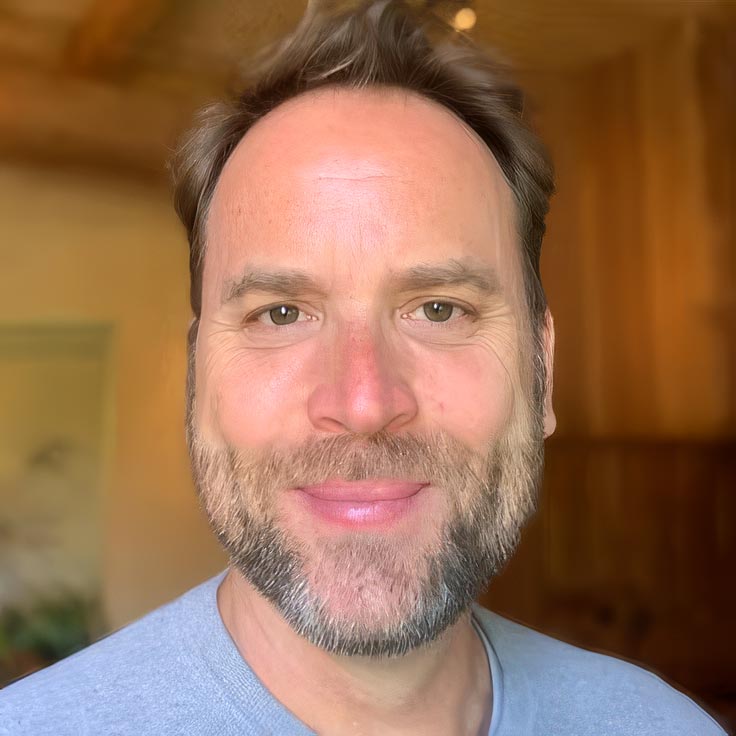
Dedalus Hyde, PsyD

Andrea Eberly, MD
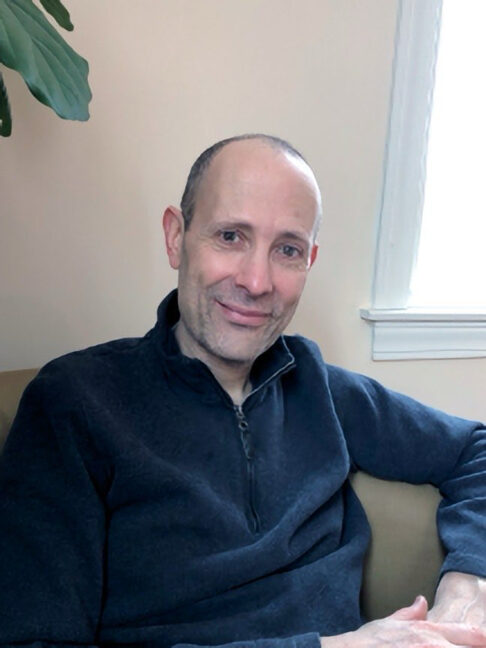
Saul Rosenthal, PhD

Urzsula Klich, PhD, BCB

Donald Moss, PhD
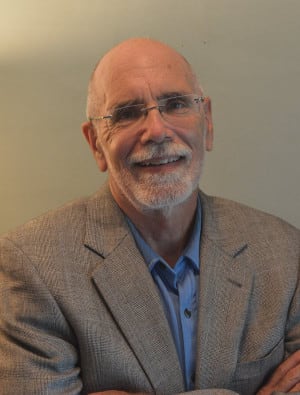
Mitchell M. Sadar, PHD
Saturday, September 26, 2026
8:30-9:00 AM ET
Welcome Remarks
9:00–10:30 AM ET
Beyond the Brain Map: AI-Assisted Case Analysis in Clinical Practice
Michael Cohen, QEEG-D
10:45 AM–12:15 PM ET
Advancements in QEEG and Neurofeedback Using AI and Brain Oscillatory Tensegrity
Thomas F. Collura, PhD., MSMHC, QEEG-D, BCN, LPCC-S
Bill Brubaker, M.Ed., M.Psych., BCN, QEEG-D
12:15–12:30 PM ET
Break
12:30–1:30 PM ET
What Lies Ahead for Education: Integrating Neurofeedback in Schools
Mitchell M. Sadar, PHD, BCN-HRV
1:30–2:00 PM ET
Lunch Break
Breakout room with our sponsors: Jeff Carmen, Sadar Psychological & Sports Center, and Jeff Schutz
2:00–3:30 PM ET
Pioneering the Brain-Based Frontier: Innovative Strategies for Integrating Neurofeedback into a Mental Health Setting
Jeffrey J. Schutz, M.A., LMFT, BCN
3:30–5:00 PM ET
Ethics at the Edges: Clinical Judgment, Claims, and Scope in Experienced Neurofeedback Practice
Dedalus Hyde, PsyD
Sunday, September 27, 2026
8:45 – 9:00 AM ET
A New Chapter: Presidential Transition
Mitchell Sadar, PhD, BCN-HRV
Jeffrey J. Schutz, M.A., LMFT, BCN
9:00–10:30 AM ET
Putting Ethics to Work for You: Communicating Ethically and Effectively with Health Care Providers
Andrea Eberly, MD
Saul Rosenthal, PhD
10:45 AM–12:15 PM ET
Psychophysiology of Pain: Using Mindfulness and Compassion–Based Tools in Biofeedback Treatment
Urszula Klich, PhD, BCB
12:15–1:30 PM ET
Nature Contact and Its Effects on Stress, Resilience, and Health
Donald Moss, PhD
1:30-1:40 PM ET
Closing
Please note: Session start and end times may vary slightly, and the schedule is subject to change.
Saturday, September 26, 2026
Beyond the Brain Map: AI-Assisted Case Analysis in Clinical Practice
Michael Cohen, QEEG-D
Michael P. Cohen is a neurofeedback clinician, educator, mentor, and author of the groundbreaking book Neurofeedback 101: Rewiring the Brain for Anxiety, ADHD, Depression & Beyond (Without Medication), written to help the general public better understand neurofeedback and its potential applications.
Since 1996, Mike has studied the brain, neurofeedback, biofeedback, and human behavior across multiple disciplines. He is known for integrating a broad range of knowledge into a highly individualized approach to care. Over the course of his career, he has worked with thousands of adults and children presenting with concerns including anxiety, depression, attention and behavioral challenges, sleep difficulties, memory loss, post-concussion symptoms, and other neurological issues.
Mike is frequently referred complex cases by physicians, mental health professionals, and other neurofeedback providers. Rather than focusing only on a diagnosis, he examines the broader combination of factors that may be contributing to a client’s difficulties. His approach emphasizes understanding the whole person, identifying overlooked root causes, and developing customized strategies based on each individual’s needs.
Throughout his career, Mike has worked to refine both the art and science of neurofeedback. He incorporates multiple neurofeedback and biofeedback modalities, brain-mapping technologies, and complementary approaches designed to support brain and body functioning.
A passionate teacher, Mike also provides in-person and online training, professional mentoring, and public education. He has presented at medical schools, healthcare conferences, and community events, helping both professionals and the public better understand neurofeedback and its role in supporting brain health and self-regulation.
Most clinicians are trained to ask psychological questions. This session asks physiological ones. Using real case material, the presenter demonstrates how AI-assisted inquiry can identify gut-brain dysfunction, mitochondrial depletion, or autonomic dysregulation as drivers of anxiety, cognitive symptoms, and treatment resistance — issues neurofeedback and psychotherapy alone rarely resolve. The session traces how the questions and reasoning evolved, and addresses the ethical and practical considerations of using and presenting AI-assisted analysis with clients. The takeaway is a practical, expandable model for going deeper with complex cases.
- Identify 3 aspects of physiological functioning that relate to anxiety, cognitive symptoms, and treatment resistance
- Discuss three limitations of including AI in developing treatment plans.
- Describe two ethical considerations related to the utilization of AI in developing treatment plans
The presentation content respects and attends to cultural, individual and role differences, specifically related to Topic of presentation within Specific populations as evidenced by the title, program description, learning objectives and references.
Within the course of the presentation, the audience should reflect on diversity issues related to the topic and have space to express alternative viewpoints so underrepresented cultural viewpoints are addressed and welcomed.
10:45am -12:15pm ET
Advancements in QEEG and Neurofeedback using AI and Brain Oscillatory Tensegrity
Thomas F. Collura, Ph.D., MSMHC, QEEG-D, BCN, LPCC-S
Bill Brubaker, M.Ed., M.Psych., BCN, QEEG-D
Thomas F. Collura, Ph.D., M.S., M.S., is a biomedical engineer, neurophysiologist, mental health counselor, and longtime innovator in the field of neurofeedback. With more than 45 years of experience, his career has spanned clinical research, system design, EEG mapping, evoked potentials, microelectronics, human factors engineering, and neurofeedback technology.
Dr. Collura’s interdisciplinary work brings together philosophy, psychology, biology, computer science, and electronics. His graduate research at Case Western Reserve University focused on real-time measurement of visual and auditory evoked potentials and their relationship to attention and vigilance. He later served at AT&T Bell Laboratories, where he worked in integrated circuit technology, computer graphics, networking, and human-machine interface design.
From 1986 to 1996, Dr. Collura conducted research and development at the Cleveland Clinic Foundation in EEG mapping for epilepsy surgery, long-term EEG monitoring, and DC brain potentials. In 1995, he founded BrainMaster Technologies, Inc., where he continues to serve as President, developing EEG neurofeedback systems and related technologies. He also serves as Clinical Director of the Brain Enrichment Center, integrating his engineering background with clinical mental health counseling.
Dr. Collura holds multiple U.S. patents in neurofeedback technology, electrode systems, and evoked potential methods. He has also contributed significant professional leadership to the field, including serving as President of the International Society for Neurofeedback and Research and President of the Association for Applied Psychophysiology and Biofeedback.
Harry Brubaker, M.Ed., BCN, QEEGD, is a neurofeedback therapist, QEEG technician, consultant, trainer, and mentor with extensive experience in applied neuroscience, neurofeedback, and brain mapping. He has served in clinical and training roles at the Yang Institute of Integrative Medicine, the Autism Treatment Center of Newtown Square, and the QuietMind Foundation, where he became a BCIA-certified therapist.
Harry’s work bridges clinical practice, education, and emerging technology. His recent research focuses on the use of QEEG to evaluate innovative interventions including photobiomodulation, virtual reality, augmented reality, concussion training, anxiety treatment, autism intervention, and cognitive support for dementia. He has collaborated on projects with researchers and institutions including Harvard, MIT, Stanford, Baylor Scott & White Health, Texas A&M, and the QuietMind Foundation.
He is a member of the International Society for Neuroregulation & Research, a therapist certified through the Biofeedback International Certification Alliance, and a Diplomate of the International QEEG Certification Board. His publications and presentations include work on virtual reality and anxiety, QEEG brain mapping, neurofeedback, autism, dementia, and the clinical measurement of emerging therapeutic technologies.
This 1.5-hour program presents an integrative framework for advancing QEEG-guided neurofeedback through two converging innovations: artificial intelligence (AI) and Brain Oscillatory Tensegrity (BOT). The session situates neurofeedback within Wiener’s cybernetic model of closed-loop self-regulation, A z P A: CE Appl icat io n P age | 2 then introduces Brain Oscillatory Tensegrity — a model, grounded in Buckminster Fuller’s tensegrity principle and Ingber’s cellular mechanotransduction, that describes neural stability as a pre-stressed balance of phase-locked (compression) and phase-dispersed (tension) oscillatory relationships held at the edge of criticality. Attendees will see how this framework reframes familiar EEG findings — excitation/inhibition balance, theta–gamma phase–amplitude coupling, neural criticality, and multiscale entropy — as measurable indices of brain structural integrity, and how it extends to a whole-body frequency architecture linking heart-rate, respiration, and cortical rhythms. The program then demonstrates how AI and machine learning enhance the QEEG screening review and convert validated metrics into real-time, individualized neurofeedback reward variables. Clinical translation is illustrated with chronic pain conceptualized as an oscillatory-tensegrity failure and with documented case material on voluntary pain control and obsessive states. Practitioners will leave with a coherent rationale for why oscillation- and connectivity-based protocols work, how AI-assisted assessment can sharpen protocol selection, and how to discuss the framework’s evidence and honest limitations with patients and colleagues.
As a result of participating, the attendee will be able to:
- Describe at least three quantitative EEG markers of oscillatory self-regulation — theta–gamma phase–amplitude coupling, the 1/f slope associated with neural criticality, and multiscale entropy — and state what each indicates about excitation–inhibition balance.
- Explain the three structural principles of Brain Oscillatory Tensegrity — pre-stress, omnidirectional load distribution, and strain-stiffening — and match each principle to a corresponding, measurable feature of the EEG.
- Identify at least two applications of artificial intelligence and machine learning to QEEG screening and to the selection of individualized neurofeedback reward variables.
The presentation content respects and attends to cultural, individual and role differences, specifically related to age, ability and chronic-illness status, and socioeconomic access to neurotechnology within clinical populations living with chronic pain and with mood, attention, and stress-related disorders as evidenced by the title, program description, learning objectives and references. Within the course of the presentation, the audience should reflect on diversity issues related to the topic and have space to express alternative viewpoints so underrepresented cultural viewpoints are addressed and welcomed.
12:30-1:30 ET
What Lies Ahead for Education: Integrating Neurofeedback in Schools
Megan Delaney, LCSW, RPT™
Mitchell Sadar, PhD, BCN-HRV
Megan Delaney, LCSW, RPT™, is an experienced school-based mental health clinician with more than 12 years of experience providing individualized therapeutic services to students in both special education and general education settings. Her work spans Prekindergarten through 12th grade, with a focus on developmentally appropriate, student-centered care.
Megan specializes in tailoring interventions to each student’s unique needs while aligning therapeutic services with individualized treatment plans and Individualized Education Program goals. Her practice is grounded in culturally responsive and trauma-informed care, with an emphasis on equity, accessibility, and sensitivity to the diverse backgrounds of the students and families she serves.
She integrates evidence-based approaches including neurofeedback, play therapy, parent training, and cognitive behavioral therapy to support students’ emotional, behavioral, and academic functioning. Megan is committed to helping students build resilience, strengthen self-regulation, and achieve positive outcomes within the educational environment.
Mitchell Sadar is a licensed psychologist who was the director of a Pennsylvania Correctional Institution’s inpatient program for over 15 years. In 1999 he was trained in neurofeedback and tried to bring this modality to the correctional population, but his attempts were not accepted by the Department of Corrections. He then resolved to dedicate his work to biofeedback and developed his private practice. Since 2015 he has been the president of the Northeast Region Biofeedback Society. His background in neuropsychology readily lent itself to learning how the EEG can facilitate neurofeedback training. In 2018, along with his practitioner wife, Angelika Sadar, he was invited to be part of BrainARC Switzerland and began developing evaluations and protocols based on the research of HBImed, Switzerland. Since that time, he has focused on developing assessments that include an analysis of EEG and ERPs to help to guide biofeedback/neurofeedback protocols but also include recommendations regarding psychotherapy and lifestyle changes.
This presentation will focus on examining the current research base supporting the use of neurofeedback in educational settings. It will also address practical considerations for implementation within schools, including identifying appropriate student populations, outlining procedures for effective integration, and reviewing both the strengths and limitations of this intervention. Additionally, the presentation will explore future implications and emerging areas of research related to the use of neurofeedback as a school-based approach.
As a result of participating, the attendee will be able to:
- Summarize the current research supporting the use of neurofeedback in educational settings.
- Identify and describe one appropriate student population and key procedures for implementing neurofeedback within a school-based framework.
- Evaluate two strengths and limitations of neurofeedback and discuss future implications and emerging areas of research related to its use in schools.
The presentation content respects and attends to cultural, individual and role differences, specifically related to neurofeedback within the educational setting as evidenced by the title, program description, learning objectives and references.
This program incorporates principles of diversity by emphasizing culturally responsive and equitable approaches to implementing neurofeedback in educational settings. Content reflects diverse student populations, particularly those with neurodevelopmental and learning differences (e.g., ADHD, specific learning disability), and acknowledges variability in culture, socioeconomic status, and access to resources.
Participants are encouraged to consider cultural, linguistic, and family factors when selecting students and applying interventions, and to collaborate with diverse school communities to ensure relevance and appropriateness. The program also highlights disparities in access and representation within the research base and underscores the need for continued investigation across diverse populations.
Within the course of the presentation, the audience should reflect on diversity issues related to the topic and have space to express alternative viewpoints so underrepresented cultural viewpoints are addressed and welcomed.
2:00-3:30pm ET
Pioneering the Brain-Based Frontier: Innovative Strategies for Integrating Neurofeedback into a Mental Health Setting
Jeffrey J. Schutz, M.A., LMFT, BCN
Mitchell Sadar, PhD, BCN-HRV
Jeffrey J. Schutz, M.A., LMFT, BCN, is an innovative clinician, entrepreneur, author, speaker, and neurofeedback leader. He is the Founder, Owner, and Executive Director of The Neurovation Center in Sandy Hook, Connecticut, an integrated neurofeedback, neuroanalysis, and counseling center serving clients through personalized brain-based assessment and treatment planning.
Since founding The Neurovation Center in 2012, Jeffrey has helped build a large-capacity clinical center with more than 30 staff members, multiple neurofeedback clinicians and technicians, and thousands of clients served. His work includes the development of the Neurovation Method™ and Phoenix Assessment™, approaches designed to connect functional brain assessment, symptom patterns, client personalization, and synergistic treatment planning. He has also processed more than 12,000 QEEGs and was the first neurofeedback clinician in Connecticut to gain approval for Medicaid reimbursement.
In addition to his clinical leadership, Jeffrey serves as CEO of NeuroInnovation Consulting Services, where he provides public speaking, mentoring, neuroanalysis services, and support for neurofeedback businesses. He has mentored many BCIA-certified neurofeedback clinicians in Connecticut and has trained high school, college, and graduate-level students through immersive learning experiences.
Jeffrey holds a Master of Arts in Marriage and Family Therapy from Fairfield University, a Master of Arts in Philosophy of Religion from Denver Seminary, and a Bachelor of Arts in History from The King’s College. He is Board Certified in Neurofeedback through BCIA, holds BCIA Supervisor Status, and is the author of Launching Your Career in Neurofeedback: The Definitive Guidebook. He currently serves on the NRBS Board of Directors as President Elect.
Mitchell Sadar is a licensed psychologist who was the director of a Pennsylvania Correctional Institution’s inpatient program for over 15 years. In 1999 he was trained in neurofeedback and tried to bring this modality to the correctional population, but his attempts were not accepted by the Department of Corrections. He then resolved to dedicate his work to biofeedback and developed his private practice. Since 2015 he has been the president of the Northeast Region Biofeedback Society. His background in neuropsychology readily lent itself to learning how the EEG can facilitate neurofeedback training. In 2018, along with his practitioner wife, Angelika Sadar, he was invited to be part of BrainARC Switzerland and began developing evaluations and protocols based on the research of HBImed, Switzerland. Since that time, he has focused on developing assessments that include an analysis of EEG and ERPs to help to guide biofeedback/neurofeedback protocols but also include recommendations regarding psychotherapy and lifestyle changes.
Mental healthcare is evolving. As longstanding challenges within symptom- and diagnosis-driven models become increasingly apparent, neuroscience is reshaping how clinicians understand assessment, regulation, treatment, and outcomes. Neurofeedback and neuromodulation are emerging not simply as new interventions, but as part of a broader paradigm shift toward brain-based care.
In this presentation, Jeffrey Schutz explores how this shift is transforming the practice of mental healthcare from the inside out. Attendees will examine how neurofeedback changes the role of the clinician, influences approaches to assessment and treatment planning, and impacts the structure of modern practices — including business models, staffing, facility design, and training. This session is designed for clinicians and practice leaders seeking to better understand the opportunities, challenges, and future direction of brain-based mental healthcare.
As a result of participating, the attendee will be able to:
- Identify at least three limitations or challenges associated with traditional diagnosis-based models of mental healthcare that are pressing the field toward innovative change.
- Describe how neuroscience and neurofeedback are influencing that shift by promoting new, complementary approaches to assessment, treatment planning, and self-regulation within mental health practice.
- Explain at least three practical implications that brain-based models of care may have for clinicians, including changes related to professional roles, practice structure, training, and service delivery.
The presentation content respects and attends to cultural, individual and role differences, specifically related to the practice of neurofeedback in a mental health context within diverse populations as evidenced by the title, program description, learning objectives and references.
Within the course of the presentation, the audience should reflect on diversity issues related to the topic and have space to express alternative viewpoints so underrepresented cultural viewpoints are addressed and welcomed.
Ethics at the Edges: Clinical Judgment, Claims, and Scope in Experienced Neurofeedback Practice
Dedalus Hyde, PsyD
Dedalus Hyde, PsyD, is a Licensed Psychologist (California PSY23019) based in Kentfield, Marin County, with decades of experience providing trauma-informed mental health care across the San Francisco Bay Area. He is the Founder and Director of Pacific Neurofeedback, where he specializes in neurofeedback, trauma, depression, anxiety, and work with children and families. Dr. Hyde is also the Founder and Director of the Bay Area Trauma Center, which he established in 2012. His clinical expertise spans High Frequency, Alpha Theta, and ILF neurofeedback (Othmer Method), EMDR, Somatic Experiencing, Trauma-Focused CBT, family systems therapy, EFT, and Parent-Child Interaction Therapy. Earlier in his career, he served as Core Faculty at The Wright Institute in Berkeley and held clinical leadership roles at the Family Institute of Pinole, the Family Institute of Richmond, and Full Circle Programs, where he founded a wraparound program for community-based care. Dr. Hyde holds a PsyD and MA from the California School of Professional Psychology and a BA from UCLA, and is a member of the APA and AAMFT.
Seasoned neurofeedback providers often face ethical questions that are less about rules and more about judgment. This interactive 90-minute session explores the edge cases of practice, including scope, informed consent, evidence-based claims, confidentiality, and determining when it is most ethical to continue training, pause care, or refer out. Through case discussion and practical decision tools, attendees will gain strategies they can apply immediately in clinical practice.
As a result of participating, the attendee will be able to:
- Compare two differences between ethical competence from and overconfidence in mature neurofeedback practice.
- Demonstrate the application of a structured framework for deciding whether to continue training, modify training, pause treatment, or refer out.
- Evaluate whether their public claims, case descriptions, and clinical explanations are scientifically supportable and not misleading.
The presentation content respects and attends to cultural, individual and role differences, specifically related to ethics within neurofeedback providers as evidenced by the title, program description, learning objectives and references.
Within the course of the presentation, the audience should reflect on diversity issues related to the topic and have space to express alternative viewpoints so underrepresented cultural viewpoints are addressed and welcomed.
Sunday, September 27, 2026
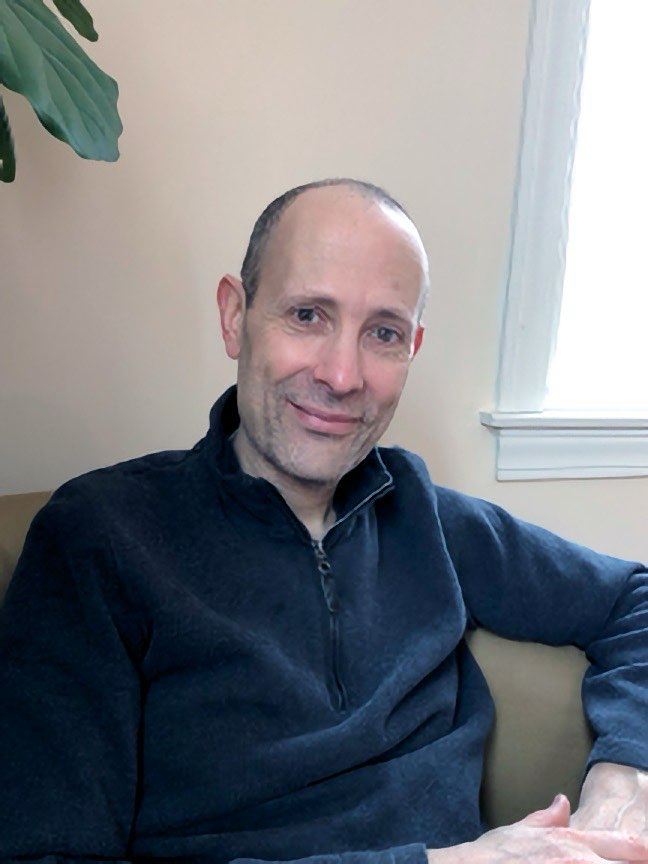
Putting Ethics to Work for You: Communicating Ethically and Effectively with Health Care Providers
Andrea Eberly, MD, and Saul Rosenthal, PhD
Dr. Eberly graduated from the David Geffen Medical School of Los Angeles (UCLA) and completed her residency in Emergency Medicine at the University Medical Center, Tucson, Arizona. After working as an attending physician in Tucson, she followed a recruiting call to the island of Guam, where she served in various roles, including as the director of the emergency department, the EMS Medical Director of Guam, and the Director of the 911 Call System. When she developed a central blindness in one eye, she retired from clinical practice, but maintained her emergency medicine board certification and now works full time training other emergency physicians for their National Board exam.
Dr. Eberly’s passion lies in explaining medical facts to lay people with the goal of placing people’s health destiny into their own hands. She is excited about supporting The Suppers Programs because it is highly effective in helping people take control of their health independently of the medical system.
Applied psychophysiology is inherently interdisciplinary, and providing the best care for our patients requires communicating effectively with professionals across many health care disciplines. These providers often have limited knowledge of biofeedback, neurofeedback, or bioneuromodulation, just as we may have only a limited understanding of their specialties. Communication must be efficient, accurate, and grounded in ethical standards, whether discussing treatment recommendations, coordinating care, or deciding what information can appropriately be shared through common communication channels.
Starting from the premise that interdisciplinary collaboration is an ethical necessity, this presentation focuses on the nuts and bolts of communicating with other health care providers. Organized as a discussion between two clinicians from different disciplines, the presenters will demonstrate practical strategies for explaining our work clearly, efficiently, and in ways that improve patient care. Topics include making time in busy schedules, navigating “phone tag,” recognizing implicit hierarchies and biases, and making the most of conversations that are never as long as we would like.
- Describe two ways interdisciplinary collaboration is an ethical component of high-quality patient care.
- List three concise, clinically relevant communication strategies that improve collaboration with referring and treating health care providers.
- Identify at least two common ethical and practical challenges in provider-to-provider communication and appropriate strategies to address them.
The presentation content respects and attends to cultural, individual and role differences, specifically related to Topic of presentation within Specific populations as evidenced by the title, program description, learning objectives and references.
Within the course of the presentation, the audience should reflect on diversity issues related to the topic and have space to express alternative viewpoints so underrepresented cultural viewpoints are addressed and welcomed.
Psychophysiology of Pain: Using Mindfulness and Compassion–Based Tools in Biofeedback Treatment
Urzsula Klich, PhD, BCB
Dr. Urszula Klich is a clinical health psychologist with three decades of expertise in bio-based self-regulation and mindfulness practices. She has held leadership positions in her professional organizations, such as serving as president of the Southeast Biofeedback and Clinical Neuroscience Association (SBCNA). Klich is Board-certified in Biofeedback (BCB) and as a teacher of Cognitively Based Compassion Training (CBCT®) at Emory University.
Dr. Klich developed a program of Mindfulness-Based Biofeedback®, a structured training that integrates mindfulness with evidence-based self-regulation training. For decades, this model has been implemented across hospitals, schools, and private organizations, reaching both patients and professionals.
Through her clinical work and professional trainings, Dr. Klich empowers healthcare providers and corporate leaders to transform burnout and empathy fatigue into resilience, optimal performance, and sustainable well-being. At this workshop, she invites you to practice these techniques with her.
Chronic pain is shaped not only by nociceptive processes, but also by patterns of physiological arousal, attention, emotion, and interpretation. Individuals may become increasingly vigilant toward bodily sensations, while fear, tension, and self-criticism further reinforce stress-related dysregulation. Mindfulness, compassion, and biofeedback are empirically supported approaches that can help clients develop greater awareness of these patterns. These tools can improve individual’s ability to regulate responses to pain and respond more adaptively to difficult sensations.
The presentation content respects and attends to cultural, individual and role differences, specifically related to clinical treatment with biofeedback within patients with anxiety as evidenced by the title, program description, learning objectives and references.
Within the course of the presentation, the audience should reflect on diversity issues related to the topic and have space to express alternative viewpoints so underrepresented cultural viewpoints are addressed and welcomed.
Nature Contact and Its Effects on Stress, Resilience, and Health
Donald Moss, PhD
Dr. Donald Moss is Dean-Emeritus, College of Integrative Medicine and Health Sciences, at Saybrook University, Pasadena, CA. He is a clinical health psychologist, certified in hypnosis and biofeedback. He is the education chair and president for the Society for Clinical and Experimental Hypnosis (SCEH). He previously served as the president of SCEH, president of Division 30 (hypnosis) of the American Psychological Association, and president of the Association for Applied Psychophysiology and Biofeedback.
Dr. Moss earned his MA (1974) and PhD (1984) in existential and humanistic psychology at Duquesne University in Pittsburgh, PA. Moss is the Senior Editor for the Encyclopedia of Hypnosis and Suggestion, a virtual publication of the International Society of Hypnosis. He is also a guest editor for a new Special Hypnosis Collection for the journal Scientific Reports and lead editor for a special issue on Nature Immersion, Health, and the Community for the journal International Journal of Environmental Research and Public Health.
Moss is co-author with Angele McGrady of Pathways through Long-Term Health Conditions: Lifestyle Medicine for your Wellbeing (Pavilion, 2025), Integrative Pathways: Navigating Chronic Illness with a Mind-Body-Spirit Approach (Springer, 2018), and Pathways to Illness, Pathways to Health (Springer, 2013). He is co-editor of several scholarly books, including The Integration of Psychotherapy and Psychophysiology (Oxford University Press, 2024), and the author or co-author of over 80 book chapters and scholarly journal articles on topics in hypnosis, lifestyle medicine, health psychology, psychophysiology, and research best practices. His most recent journal article appeared in March 2026, “The relevance of heart rate variability for hypnotherapy and psychotherapy,” in the journal Brain Sciences.
Moss is also on the Editorial Boards for Scientific Reports, the International Journal of Environmental Research and Public Health, Frontiers, the Annals of Palliative Medicine, and Applied Psychophysiology and Biofeedback.
Exposure to natural environments—through nature walks, green space views, or virtual nature—produces beneficial effects on stress reduction, mood enhancement, cognitive restoration, and resilience. Conceptual models such as the Biophilia Hypothesis, Stress Reduction Theory, and Attention Restoration Theory offer explanations of how natural settings improve wellbeing. Biochemical explanations also have strong research support. Experimental studies report decreases in self-reported and physiological stress after brief periods in nature. Nature immersion trials produce improvements in mood and immune markers. Observational and intervention studies link green space availability and community “greening” to reductions in depression and anxiety risk, and improvements in wellbeing. Meta-analyses suggest that even 10 – 15 minutes per day in nature improves subjective well-being. Frequency and “dose” matter: repeated interval exposures may yield stronger effects than single, prolonged visits to nature. Nature contact serves as a low-cost enhancer of adaptive capacity. There are many reasons to combine nature immersion as a complement to biofeedback and other mind-body therapies. Access to nature immersion is obstructed by many factors in urban areas and for low socio-economic populations. Building accessible nature contact into ongoing lifestyle is more realistic and impactful than occasional visits to expensive nature spas. Programs such as “green prescribing” — medically-prescribed walks show clinical promise. Framing nature contact as a public health “ecosystem service” invites broader policy integration.
As a result of participating, the attendee will be able to:
- Identify at least two therapeutic elements in nature exposure for wellbeing and resilience.
- Define the absence of nature contact and discuss two impacts on stress levels, health, and emotional distress
- Explain current research evidence on dosage and frequency of nature exposure and therapeutic benefit.
- Identify two strategies to integrate nature access as a supplement to hypnosis and other mind-body therapies.
- Identify two socioeconomic and cultural barriers to nature immersion and current strategies to increase nature access.
This presentation highlights barriers to nature access in low-income urban environments (lack of green space, transportation, survival needs), material obstacles such as crime and personal safety, subcultural disinclination to outdoor activity, and emergent factors such as screen addiction that create additional barriers to green space. The presentation will also highlight private and governmental programs in the US, the UK, Japan and China to overcome barriers to nature access.
REGISTER
Reserve your spot for the 2026 NRBS Annual Conference and join a community of professionals dedicated to advancing self-regulation, innovation, and compassionate care through biofeedback and neurofeedback.
Register today to be part of the next era of bio/neurofeedback.
Non-Member
EARLY BIRD Regular price: $399 $475
Early Bird special ends on August 20th, 2026.
*CE certificate is available for an additional $50 fee
**Registration includes Conference and 1-year Rolling Membership.
If you are not yet a member, consider joining NRBS to access member pricing.
Member
EARLY BIRD Regular price: $250 $325
Early Bird special ends on August 20th, 2026
*CE Certificate is available for an additional $50 fee
If you are an NRBS member, please log in to access special member pricing.
NRBS is committed to making professional education accessible. We understand that financial situations vary, and we want to ensure that interested participants have the opportunity to attend. If cost is a barrier, please contact [email protected] to discuss available options.
This is a live online event
Can’t attend live? Recording available for 1 year.
Please contact [email protected] with questions
NRBS SUPPORTING SPONSORS
Learn more about our supporting sponsors and ways they can help your personal & professional development.













REFUND POLICY
Please send a written request for refunds to [email protected]. Full Refunds will be issued until 20 days before the event minus a 20% processing fee. After 20 days, refunds will be considered on a case by case basis

Arizona Psychological Association is approved by the American Psychological Association to sponsor continuing education for psychologists. Arizona Psychological Association maintains responsibility for this program and its content.
Continuing education Information
CONTINUING EDUCATION
This program is co-sponsored by the Northeast Regional Biofeedback Society and the Arizona Pyschological Association.
Arizona Psychological Association is approved by the American Psychological Association to sponsor continuing education for psychologists. Arizona Psychological Association maintains responsibility for this program and its content.
. The program offers 5.50 hours on Day One; and 4.50 hrs. on day Two. CE hours awarded are based on actual participation. Full attendance is required for each event in which you participate. The CE processing fee is $50.00 per person and submitted to The Arizona Psychological Association at the time completed CE paperwork is mailed.
Attendees who wish to apply for continuing education credit MUST complete CE forms and comply with attendance monitoring requirements.
NOTE: To receive continuing education credit, applicants must complete all CE forms and comply with attendance monitoring requirements.
NOTE: It is the responsibility of the attendee to determine if CE credit offered by The Arizona Psychological Association meets the regulations of their state licensing/certification board.